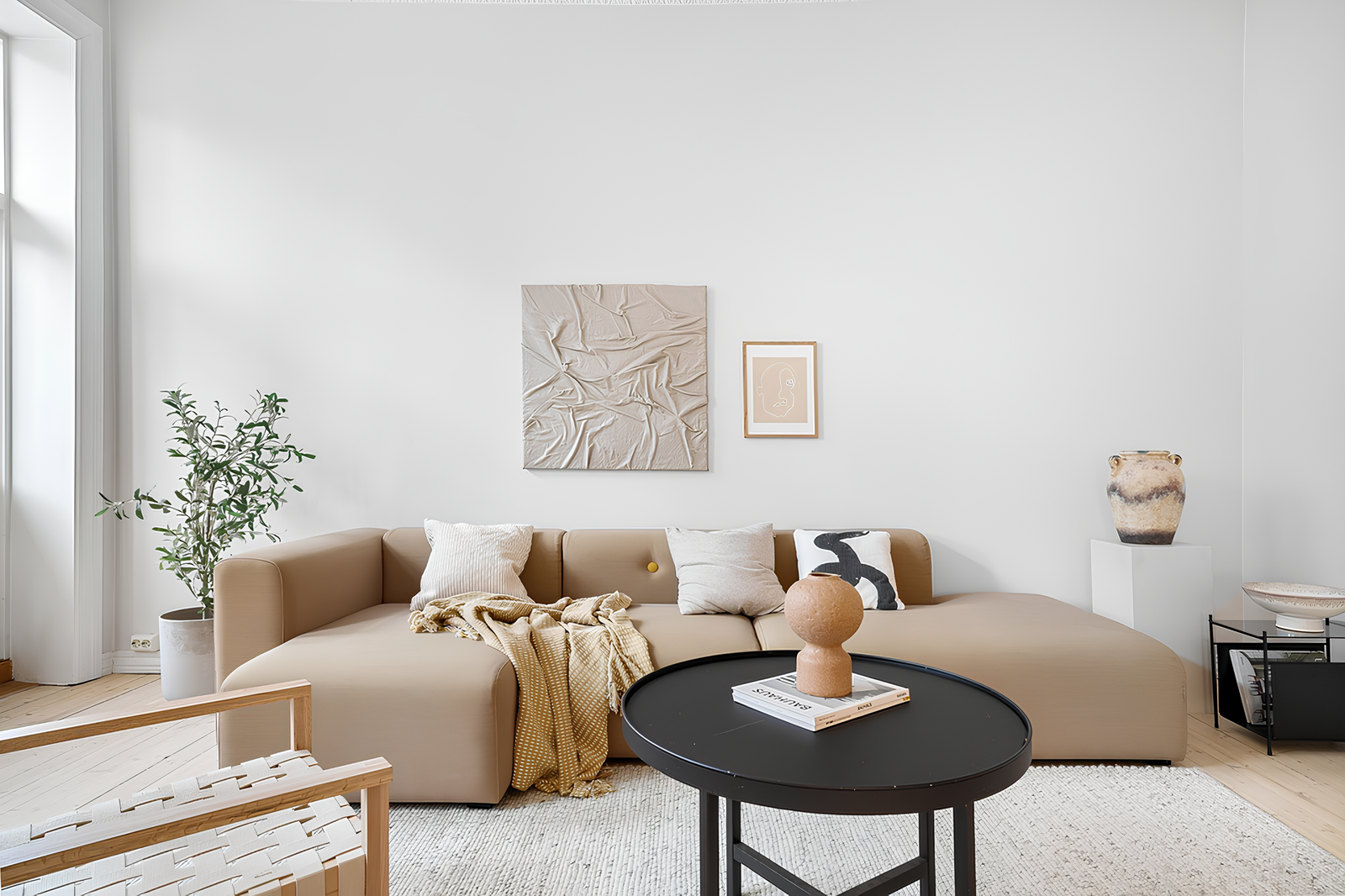


Posted on Leave a comment

Do You Really Need a Huge Wardrobe in a Small Room?

Simple handcrafted furniture

Do You Really Need a Huge Wardrobe in a Small Room?

When it comes to designing a small room, every inch matters. From the furniture you choose to the layout, each decision can significantly affect how spacious or cramped the room feels. One of the most common dilemmas people face is how to manage storage in a limited space. A huge wardrobe, often seen as the ultimate solution for organizing clothes and accessories, may seem ideal at first. However, in a small room, a large wardrobe can quickly become more of a burden than a blessing. Instead, opting for simple handcrafted furniture can offer both functionality and style without overwhelming the space. So, do you really need a massive wardrobe, or can you make do with something smaller and more practical?

The Problem with Large Wardrobes in Small Rooms

It’s tempting to buy a wardrobe that promises tons of storage, but when you place it in a small room, it can quickly dominate the space. A bulky wardrobe can make a room feel cramped and reduce the room’s natural flow. The larger the wardrobe, the more it will cut into the room’s visual space, leaving you with less area to move freely. This can make the room feel more claustrophobic, especially when you’re already working with limited square footage.

Additionally, many people fall into the trap of buying a wardrobe that is far too large for their actual storage needs. A massive wardrobe may sound like a good idea because it offers more than enough room for clothes, but it can end up being wasteful. Not only does it take up space that could be used for other essential furniture, but you might also end up filling it with items you don’t really use or need.

Assessing Your Actual Storage Needs

Before deciding whether to opt for a huge wardrobe, it’s essential to take a closer look at your storage needs. How much clothing do you actually own? Are you storing seasonal items that can be rotated in and out? Do you have a lot of things that you rarely use or wear? Sometimes, we hold on to too many things out of habit or sentimentality, even if we don’t really need them.

Decluttering your closet and organizing your belongings can help you get a clearer picture of the storage space you actually require. You might find that a smaller wardrobe is more than sufficient for your everyday needs. The key is to be realistic about your needs and avoid the temptation to overstock. After all, smaller wardrobes are often more efficient and less overwhelming in a tight space.

Making the Most of Vertical Space

In a small room, the best way to maximize storage is by using the vertical space rather than expanding horizontally. Tall, slim wardrobes take up less floor space while still offering plenty of storage. A vertical wardrobe can fit neatly into a corner, leaving the rest of the room open and airy. In addition, tall wardrobes often provide more space for hanging clothes and shelves at the top for additional storage.

Another clever way to make use of vertical space is by installing shelves above your wardrobe or using high storage bins to store seasonal or less frequently used items. This approach will help you keep your room tidy and organized without overcrowding the space.

Multi-Functional Furniture: A Smart Investment

When space is limited, multi-functional furniture becomes invaluable. A wardrobe doesn’t have to be a standalone piece that simply stores your clothes. Consider wardrobes that double as room dividers or pieces with built-in mirrors, shelves, or even desks. There are modern designs that incorporate pull-out trays, hanging hooks, and hidden compartments, which help maximize storage while maintaining the room’s clean and minimalist look.

Multi-functional wardrobes help free up space for other necessary furniture pieces, like a desk, nightstand, or chair, without sacrificing storage capacity. In small rooms, it’s about finding smart solutions that work harder for you. You could even explore storage solutions that convert into seating, like a bench with hidden compartments for extra clothing or shoes.

Alternatives to Traditional Wardrobes

If a traditional wardrobe still feels like too much, consider alternative storage solutions that take up less space and offer more flexibility. For instance, open shelving units can work wonderfully in small spaces. Open shelves allow you to store clothing and accessories in a more accessible way, and they can add a stylish, modern touch to your room. Of course, the key to making open shelving work is keeping things organized. To avoid a cluttered look, keep the shelves neat and use storage baskets or containers for smaller items.

If you like the look of a wardrobe but don’t want something large and bulky, opt for a wardrobe with sliding doors. These are ideal for small rooms since they don’t require extra space to open, unlike traditional hinged doors. Sliding wardrobes offer all the benefits of a regular wardrobe while minimizing the space they occupy.

Hanging racks or clothing rails are also worth considering, especially for those who want a more industrial, minimalist vibe. These can be placed in a corner of the room or against the wall to store clothes you wear regularly. Not only do they free up space, but they can also serve as a functional and stylish display for your clothing.

Decluttering: A Key Step

Sometimes, the best way to decide whether you need a large wardrobe is by first decluttering. Going through your clothes and getting rid of items you no longer wear, need, or love will help you see that you don’t require as much storage as you once thought. Decluttering can be a liberating process, not just for your wardrobe but for your overall living space. When you reduce the number of items you own, you’ll need less storage, and your room will feel more spacious and less crowded.

Conclusion: Bigger Isn’t Always Better

While it’s tempting to go for a huge wardrobe to accommodate all your belongings, it’s not always the best solution for a small room. A large wardrobe can dominate the space and make the room feel cramped, while a smaller, more efficient storage solution can help keep the room feeling open and airy. By assessing your storage needs, making use of vertical space, opting for multi-functional furniture, and exploring alternatives to traditional wardrobes, you can create a functional and stylish room without sacrificing space.

Ultimately, the right wardrobe for a small room is one that fits your needs without overwhelming the space. Sometimes, less truly is more. Instead of focusing on a massive piece of furniture, think about smart storage solutions that work with your room’s layout and enhance the overall design. By doing so, you’ll be able to enjoy a well-organized room that feels spacious, comfortable, and stylish.

Leave a Reply

Your email address will not be published. Your privacy is definitely protected by us.

Hāmira

Pondok tahfizh plus abudzar
bogor serpong

rumpin 123455
You have been successfully Subscribed! Ops! Something went wrong, please try again.

2025 Hāmira. All rights reverved

Posted on Leave a comment

Comfortable Sofa or Aesthetic First, Which Matters More?

Comfortable Sofa or Aesthetic First, Which Matters More?

When it comes to choosing the perfect sofa for your living room, the decision often comes down to two key factors: comfort and aesthetics. Both play a significant role in creating the ideal atmosphere in your home, but which one should take priority? In this article, we will explore the importance of comfort and aesthetics in selecting a sofa, and offer insights on how to strike a balance between the two.

Understanding the Importance of Comfort

First and foremost, a sofa is meant to provide comfort. After all, it’s where we relax after a long day, where we watch movies with loved ones, or sometimes, even where we nap. Whether you’re lounging, reading a book, or having a conversation with friends, comfort is essential to enjoying your time on the sofa.

The comfort of a sofa depends on several factors, such as the type of cushions, the firmness of the seating, and the materials used. For instance, some people prefer a soft, plush sofa that envelops them when they sit down, while others opt for a firmer, more supportive seat. It’s important to assess your own needs and preferences when it comes to comfort. If you spend a lot of time on the sofa, you may want to invest in a piece that offers long-lasting support and comfort, particularly if you suffer from back pain or joint issues.

The Role of Aesthetics

On the other hand, aesthetics play an important role in creating a cohesive look in your living space. The sofa is often the centerpiece of the room, and its style can set the tone for the entire space. Whether you prefer a modern, minimalist design or a more traditional, vintage-inspired look, your choice of sofa will influence the overall aesthetic of the room.

A well-chosen sofa can enhance the overall ambiance of a room and contribute to the design scheme. For example, a sleek, contemporary sofa in neutral tones can give your space a sophisticated and clean look, while a colorful, patterned sofa can inject personality and vibrancy into the room. Additionally, the materials and textures of the sofa—such as leather, velvet, or fabric—can add depth and character to your home décor.

Finding the Right Balance

While both comfort and aesthetics are important, the balance between the two is key. A beautiful, stylish sofa may look stunning in your living room, but if it’s uncomfortable to sit on, you’ll find yourself avoiding it altogether. On the other hand, a super comfortable sofa may be inviting, but if it doesn’t match the rest of your décor, it could disrupt the flow of your space.

When looking for the right sofa, consider how often you will use it and how long you plan to keep it. If you entertain guests often or have a family that uses the living room regularly, comfort should be a top priority. A sofa with ample seating, soft cushions, and an ergonomic design will ensure that everyone can relax comfortably.

However, if the sofa will be more for occasional use or if you place a higher value on aesthetics, then you might opt for a sofa that makes a bold design statement. In this case, you can still prioritize comfort by choosing a design with thoughtful features, such as well-padded cushions, a supportive frame, and durable upholstery.

Key Tips for Choosing the Right Sofa

  1. Test Before You Buy: Comfort is subjective, so it’s crucial to test the sofa in person before making a decision. Sit on it, lean back, and see how it feels. Pay attention to the cushion firmness, the depth of the seat, and the height of the backrest. Try different positions to ensure the sofa supports you in various ways.

  2. Consider Your Lifestyle: If you have young children or pets, you may need a sofa that is not only comfortable but also durable and easy to clean. Look for fabrics that are stain-resistant and easy to wipe down. Additionally, choose a sofa with removable cushions or covers for easy maintenance.

  3. Think Long-Term: A sofa is a long-term investment. While aesthetics may be important in the moment, think about how the sofa will hold up over time. Choose a timeless design and neutral colors if you want it to complement various décor styles over the years.

  4. Balance Size and Style: A large, oversized sofa might be incredibly comfortable, but it could overwhelm a smaller room. On the other hand, a chic, smaller sofa might look great but leave little room for lounging. Consider the size of your room and the number of people who will be using the sofa to find a balanced choice.

  5. Layer with Accessories: If you find a comfortable, neutral sofa that lacks visual appeal, you can always enhance it with decorative accessories such as throw pillows, blankets, and rugs. These items can add a pop of color, texture, and personality to the room while allowing you to focus on comfort.

Conclusion

Ultimately, the decision between a comfortable sofa and one that prioritizes aesthetics comes down to personal preference. If comfort is your primary concern, choose a sofa that provides excellent support and cushioning, even if it sacrifices some of the visual appeal. If aesthetics are more important, find a sofa that matches your style and décor, but make sure it still provides basic comfort.

The ideal solution is a sofa that strikes the right balance between comfort and design. A well-chosen sofa can provide both a relaxing spot to unwind and a stylish addition to your home. By considering your lifestyle, preferences, and long-term needs, you can select the perfect sofa that will make your living room a place of comfort and beauty.


Leave a Reply

Your email address will not be published. Your privacy is definitely protected by us.

Hāmira

Pondok tahfizh plus abudzar
bogor serpong

rumpin 123455
You have been successfully Subscribed! Ops! Something went wrong, please try again.

2025 Hāmira. All rights reverved

Posted on Leave a comment

Small Furniture but Huge Impact on the Vibe of Your Home

Small Furniture but Huge Impact on the Vibe of Your Home

When decorating or redesigning a space, we often focus on large items first—sofas, dining tables, wardrobes. These pieces anchor a room and define its primary function. However, small furniture plays a far more important role than most people realize. These compact elements can dramatically shift the energy of a space, bring balance, and add personality. In fact, they often carry the power to turn a house into a home.

Small furniture includes side tables, stools, accent chairs, nesting tables, benches, ottomans, and slim shelving units. Because of their modest size, they are frequently underestimated. Yet these pieces offer flexibility, functionality, and style in ways that oversized furniture often cannot.

Supporting a Dynamic Layout

Large furniture tends to stay where it is. Once placed, moving a sofa or bed becomes a major task. Small furniture, on the other hand, invites experimentation. You can try different room arrangements, shift functions depending on the season or event, or simply follow your evolving taste. A side table might serve as a nightstand one week, then move beside the couch as a plant stand the next.

This freedom is especially useful in homes where space is limited. Living in a studio apartment or a shared house means every piece must work hard. Small furniture not only fits into tight corners but also supports your lifestyle more efficiently. A bench with built-in storage, a foldable dining table, or a modular shelving unit can make everyday living more practical and less cluttered.

Making a Style Statement

Minimalist or maximalist, rustic or modern—small furniture can reflect your design taste clearly and confidently. Because they are often standalone or secondary items, these pieces allow for more creativity. You might go bold with an emerald velvet ottoman, a retro chair in patterned fabric, or a brightly colored side table. These touches of style breathe life into a neutral room and can even set the tone for the entire space.

Moreover, they’re great tools for adding texture and contrast. Mixing materials like rattan, metal, glass, or concrete in small doses helps keep the overall look dynamic and layered without overwhelming the eye. And if your style changes over time, updating smaller pieces is far more manageable—and budget-friendly—than replacing entire furniture sets.

Enhancing Function and Flow

Small furniture supports the overall functionality of a home. It fills in gaps where larger items cannot fit, creating practical solutions that still feel intentional. Need a spot for your morning coffee? A slim café table can fit by a window. Want to display books without crowding the room? A wall-mounted bookshelf saves floor space while still making a visual impact.

More importantly, small pieces help control the flow and feel of a room. A massive cabinet in a narrow hallway disrupts movement. A slim console table or floating shelf, however, enhances it. Carefully placed furniture can guide traffic, frame focal points, and balance proportions.

Increasing the Sense of Space

Ironically, adding small furniture can make a space feel bigger. By selecting low-profile or open-frame pieces, you reduce visual weight. The room appears airier and less cluttered. Transparent or reflective materials—like glass tops or mirrored surfaces—further enhance this effect.

This approach is especially useful in city apartments or compact homes where openness is a premium. Choosing furniture that serves a purpose without dominating the space is key to maintaining a calming and spacious environment.

Cost-Effective Decorating

Another benefit of small furniture is its affordability. You don’t need to spend thousands to refresh your space. Swapping in a new ottoman, adding a stylish bar cart, or bringing in a compact reading chair can update the room’s look for a fraction of the cost of a full renovation. And because these pieces are relatively inexpensive, you can experiment more freely.

Over time, these incremental changes lead to a curated, personal space that evolves with you. Whether your taste shifts or your living situation changes, small furniture can adapt with minimal effort and cost.

The Emotional Impact

Beyond function and style, small furniture contributes to how a room feels emotionally. A cozy reading nook created with just a chair and lamp invites relaxation. A tidy entryway table with a plant and a key tray makes returning home feel more welcoming. These little pockets of comfort have a surprisingly big impact on your day-to-day life.

Because they occupy smaller footprints, these pieces don’t demand attention—but they often make the space feel more complete. It’s the subtle details that turn a house into a space that feels genuinely yours.

Final Thoughts

Small furniture proves that design isn’t just about grand gestures. It’s about thoughtful touches that support how you live. These pieces work quietly but powerfully in the background, providing style, structure, and comfort. In both aesthetic and practical terms, they are the unsung heroes of interior design.

So next time you feel your space lacks something, don’t rush to replace the largest item in the room. Look to the corners, the spaces in between, and the unused walls. That’s where small furniture thrives. And that’s where the biggest impact can often be made.

Leave a Reply

Your email address will not be published. Your privacy is definitely protected by us.

Hāmira

Pondok tahfizh plus abudzar
bogor serpong

rumpin 123455
You have been successfully Subscribed! Ops! Something went wrong, please try again.

2025 Hāmira. All rights reverved

Posted on Leave a comment

Does Replacing the Table Really Make the House Tidier?

Does Replacing the Table Really Make the House Tidier?

When a home feels cluttered or cramped, many people instinctively consider replacing their furniture—especially large items like tables. It’s easy to assume that simply buying a new table will instantly make the space feel more open and organized. But does swapping out your old table truly lead to a tidier home, or is it just a temporary fix that overlooks deeper issues?

While the right table can certainly improve the flow and appearance of a room, tidiness is more about intentional space planning and daily habits than it is about the furniture itself. Let’s explore how replacing a table can impact home organization and whether it’s worth the effort.

Size and Scale Matter

One of the most common problems in cluttered spaces is furniture that’s too large for the room. Oversized dining tables, bulky coffee tables, or wide desks can overwhelm a small area, leaving little room for movement or storage. In these cases, replacing the table with a more appropriately sized version can immediately improve the sense of space.

Choosing a table that fits your lifestyle and room dimensions helps free up floor area, enhances walking paths, and makes cleaning easier. A sleek, minimal table also visually reduces clutter, especially when it features open legs or light colors that don’t weigh down the room.

Built-In Storage Tables Offer Double Functionality

Swapping your current table for one with built-in storage can significantly improve tidiness. Coffee tables with drawers, side tables with shelving, or dining tables with hidden compartments help minimize visible mess by giving you places to stash books, remotes, chargers, and more.

This kind of multifunctional furniture is especially helpful in small homes or apartments, where every piece must earn its place. By adding storage instead of taking it away, you reduce the need for additional cabinets or shelves—and that can lead to a more open, breathable space.

The Psychology of Refreshing a Space

Replacing a table can also serve as a psychological reset. When you bring in a new piece of furniture, it often motivates a full-room refresh. You’re more likely to declutter the area, clean thoroughly, and reevaluate what stays or goes. This renewed sense of ownership and pride in your space can encourage better organization habits going forward.

However, this effect is temporary unless it’s supported by a more intentional approach to tidiness. If the same piles of paper, dishes, or miscellaneous items keep landing on your new table, it will quickly become just as cluttered as the old one.

Rethink Placement, Not Just the Table

Sometimes the issue isn’t the table itself but where and how it’s used. Consider whether your current table is placed optimally for movement and function. A table that blocks natural pathways, for example, contributes to a cramped feel. Rearranging furniture or downsizing a table could open up the room without needing to get rid of anything.

Floating tables against a wall, using foldable models, or choosing round tables instead of square ones are all small adjustments that can make a big difference. These shifts improve spatial flow and often encourage better organization by reducing awkward, underutilized corners.

Is It Worth It?

Ultimately, replacing your table can make your home tidier—if you approach it with a bigger strategy in mind. A new table might help you:

  • Save space by downsizing

  • Add storage with a more functional model

  • Improve visual clarity with a simpler design

  • Motivate you to reorganize your home

But if clutter is the real issue, and your habits or layout haven’t changed, the new table will simply become another surface for mess.

Conclusion

So, does replacing the table really make the house tidier? The answer is yes—but only if the change is part of a broader plan for organization and space efficiency. A table alone won’t clean up your home, but the right table—used intentionally—can support a cleaner, more harmonious lifestyle. Think of furniture as a tool, not a solution. Pair it with smart storage, consistent habits, and thoughtful design, and you’ll enjoy a home that feels not only tidier but more inviting, too.

Leave a Reply

Your email address will not be published. Your privacy is definitely protected by us.

Hāmira

Pondok tahfizh plus abudzar
bogor serpong

rumpin 123455
You have been successfully Subscribed! Ops! Something went wrong, please try again.

2025 Hāmira. All rights reverved

Posted on Leave a comment

Tips to Keep a Small Home Tidy

Tips to Keep a Small Home Tidy

Keeping a small home clean and organized can feel like a never-ending challenge, especially when space is limited and daily routines are demanding. However, with the right strategies, even the most compact homes can feel open, efficient, and clutter-free. A tidy home isn’t just more pleasant to live in—it also contributes to better mental well-being, improved productivity, and a stronger sense of control over your environment.

Maximizing space while minimizing mess comes down to thoughtful organization, smart furniture choices, and consistent habits. Instead of constantly trying to tidy up, the key is to design your home in a way that naturally supports order and simplicity.

Embrace Multi-Functional Furniture

In small homes, every square meter matters. Investing in furniture that serves more than one purpose is one of the smartest ways to save space while keeping your home neat. Think of beds with built-in drawers, coffee tables with hidden compartments, or ottomans that double as storage bins. These types of items reduce the need for extra cabinets and prevent clutter from piling up on visible surfaces.

Modular shelving and wall-mounted storage are also excellent for freeing up floor space while keeping items accessible. When furniture is designed with storage in mind, tidying up becomes effortless and intuitive.

Prioritize Vertical Space

Many small homes suffer not from a lack of square footage, but from underused vertical space. By installing shelves, hooks, or pegboards on walls, you can store more without making your home feel cramped. In kitchens, vertical racks for spices, cookware, or utensils can clear out drawer space. In bedrooms or closets, vertical organizers and hanging solutions make the most of every corner.

Utilizing the full height of a room helps keep items off the floor and counters, which instantly creates a cleaner, more streamlined look.

Declutter Regularly and Intentionally

Clutter builds up quickly in small spaces, often without notice. That’s why routine decluttering is crucial. Set aside time each month to go through drawers, closets, and storage bins. Ask yourself whether each item truly serves a purpose or brings joy. If not, consider donating, recycling, or discarding it.

A popular method for maintaining tidiness is the “one-in, one-out” rule—whenever you bring something new into the home, something else must go. This helps prevent overaccumulation and encourages more mindful purchasing habits.

Create Daily Habits That Stick

Keeping a small home tidy isn’t just about big overhauls—it’s about building habits that help maintain cleanliness over time. Try incorporating small tasks into your daily routine: make the bed each morning, put dishes away right after meals, and do a quick 10-minute evening reset before bed.

By addressing small messes before they grow, you’ll avoid the overwhelming task of deep cleaning too often. These daily habits add up and make tidiness feel like second nature.

Designate a Place for Everything

When items have a designated home, they’re more likely to be put away correctly. This is particularly important in small homes, where random clutter can make the space feel chaotic fast. Use baskets, bins, drawer dividers, and labels to give everything its own place, and try to store things near where they’re used.

For example, keep keys and wallets near the front door, store cleaning supplies in the kitchen or bathroom, and keep remote controls in a tray by the sofa. These small changes help reduce daily stress and make cleaning up faster.

Keep Decor Minimal but Meaningful

While decorations add character to your home, too many can create visual clutter. In a small space, it’s better to keep decor minimal and intentional. Choose a few standout pieces—a framed photo, a beautiful vase, a small plant—that add charm without overwhelming the room.

Mirrors can also be used to visually expand space and reflect natural light, making the room feel brighter and larger. Neutral color palettes and open layouts further enhance this effect, helping to create a calm and organized atmosphere.

Conclusion

A tidy small home is not about perfection—it’s about designing systems that make organization easy and sustainable. By focusing on smart furniture, using vertical space wisely, and developing daily habits, even the smallest homes can become peaceful and functional. With the right mindset and a few practical strategies, your compact space can feel more spacious, organized, and truly like home.

Leave a Reply

Your email address will not be published. Your privacy is definitely protected by us.

Hāmira

Pondok tahfizh plus abudzar
bogor serpong

rumpin 123455
You have been successfully Subscribed! Ops! Something went wrong, please try again.

2025 Hāmira. All rights reverved