

Posted on Leave a comment

Modern Home Furniture Trends

Modern Home Furniture Trends

Home is no longer just where we sleep or eat. It’s where we work, relax, create, and connect. As our lifestyles continue to shift, modern furniture design is adapting to meet the evolving needs of everyday living. The focus is now on creating spaces that feel functional, flexible, and full of personality. In 2025, furniture trends are pushing boundaries in exciting ways that bring comfort, style, and innovation together.

The Rise of Minimal Warmth

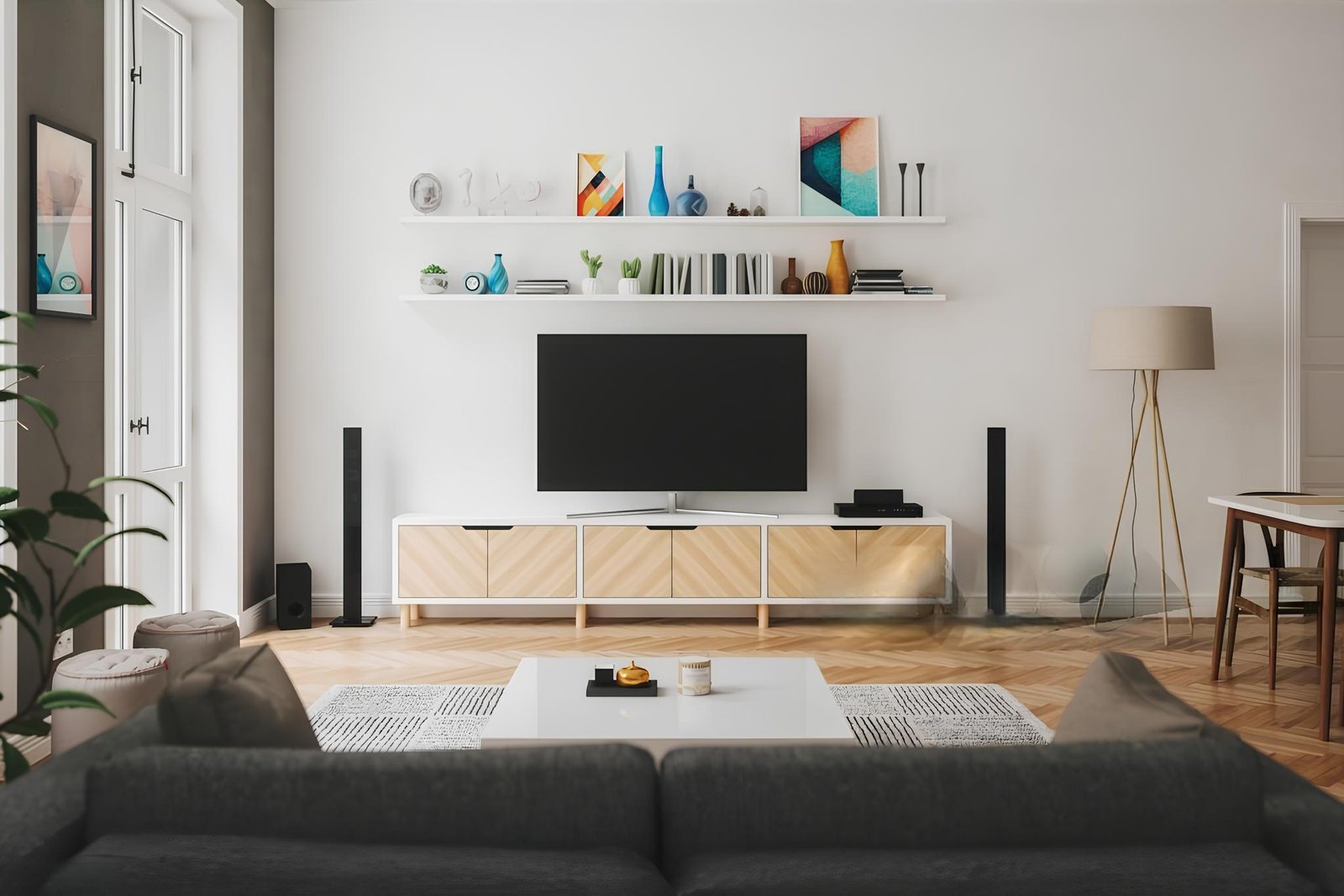
Minimalism used to mean sleek surfaces and cold tones. But modern design is now moving toward something more inviting — a style often described as “minimal warmth.” It combines clean lines and open spaces with cozy materials, natural textures, and earthy tones. This balance makes a home feel serene but still lived-in and personal.

Light wood finishes, matte surfaces, and neutral palettes like beige, sage green, soft terracotta, and cream are being used to create calm and cohesive rooms. Instead of cluttered décor, designers are favoring quality over quantity. Fewer pieces, better chosen. It’s about letting each item breathe while still bringing warmth into the room.

Functionality That Follows You

With remote work, hybrid schedules, and dynamic routines, homeowners are looking for furniture that adapts. This means furniture that’s mobile, multifunctional, and efficient. Think extendable dining tables, folding desks, stackable stools, and ottomans with hidden storage. These are perfect for people living in small spaces or simply wanting more flexibility.

Modular furniture has become a standout solution. A modular sofa can be rearranged depending on the occasion. A modular shelving unit can serve as a bookcase today and a room divider tomorrow. Furniture that adapts to life’s changing rhythms is no longer a luxury — it’s expected.

Smart Design Meets Subtle Technology

Another major trend is the blending of tech and furniture. But instead of bulky gadgets, today’s smart features are elegantly hidden. Coffee tables come with wireless charging pads. Side tables have built-in Bluetooth speakers. LED lighting is integrated into headboards or shelving with adjustable tones to fit the mood.

This quiet innovation supports modern lifestyles without overwhelming the room’s aesthetic. It allows tech to exist in harmony with soft design, keeping the home looking stylish while still being highly functional.

Curves and Soft Geometry

Straight lines are taking a step back as curves step into the spotlight. Rounded furniture pieces are making interiors feel more approachable and less rigid. Curved sofas, arch-shaped mirrors, circular rugs, and oval dining tables are all popular choices for 2025.

These forms bring softness and a natural flow to the space. Inspired by the shapes we see in nature, curved furniture helps create a sense of comfort and ease. Even structural features like rounded doorways or arched shelves can add a sculptural, artistic touch to a modern home.

Sustainable and Conscious Choices

Sustainability is not just a buzzword — it’s a major driver of modern furniture trends. More homeowners are asking where their furniture comes from, what it’s made of, and how it’s produced. As a result, ethical craftsmanship, recycled materials, and long-lasting designs are at the forefront.

Brands like Hamira are leading the way by offering collections made with FSC-certified wood, eco-friendly fabrics, and locally sourced materials. Handmade furniture pieces with a clear origin story not only add authenticity to a home but also reduce environmental impact.

Choosing sustainable furniture isn’t about sacrifice. It’s about investing in items that last, both in quality and timeless appeal.

Personal Expression Through Design

While modern furniture often leans clean and minimal, there’s still plenty of room for personality. Bold accent pieces, colorful upholstery, sculptural lighting, or vintage-inspired touches allow homeowners to add individuality without overwhelming the space.

Layering textures, mixing materials, and adding handcrafted elements can elevate a room’s character. The key is balance — letting statement pieces shine while maintaining an overall sense of cohesion. A single bold item, like a vibrant armchair or abstract bookshelf, can completely transform a room.

Conclusion

Modern furniture design in 2025 is all about balance. It’s warm, smart, flexible, and expressive. Homes are evolving, and so are the pieces we choose to fill them. Whether you’re starting fresh or simply upgrading a few corners of your space, following these trends can help you create a home that feels both current and uniquely yours.

Leave a Reply

Your email address will not be published. Your privacy is definitely protected by us.

Hāmira

Pondok tahfizh plus abudzar
bogor serpong

rumpin 123455
You have been successfully Subscribed! Ops! Something went wrong, please try again.

2025 Hāmira. All rights reverved

Posted on Leave a comment

Furniture Trends 2025: Designs You Need to Try!

Furniture Trends 2025: Designs You Need to Try!

In 2025, furniture is evolving beyond basic form and function. It is now about how we live, how we express ourselves, and how we connect with our environment. This year’s design trends speak to a deeper desire for balance, comfort, and authenticity in our spaces. As our homes become extensions of our personality and lifestyle, furniture plays a vital role in shaping that story. Whether you are planning to redecorate or simply refresh a corner of your home, understanding the newest trends can guide you toward a space that feels both modern and meaningful.

Embracing Curves and Fluid Forms

One of the most notable trends in 2025 is the growing popularity of curved furniture and organic shapes. Gone are the days when clean lines and boxy silhouettes defined contemporary design. Instead, designers are embracing softness in the form of rounded sofas, arched headboards, oval coffee tables, and sculptural chairs. These shapes create a more fluid and natural visual rhythm in a room, making the environment feel more relaxed and human-centered.

Curved furniture also enhances comfort. The soft edges invite interaction and movement, which is especially important in open-plan living spaces. Even subtle details like rounded corners on cabinetry or softly contoured armrests can make a noticeable difference. This aesthetic is more than just a visual trend — it is rooted in the idea of comfort-driven living.

A Return to Nature with Earthy Tones and Textures

Color palettes in 2025 are deeply inspired by nature. Warm browns, soft creams, muted greens, and clay-like oranges are replacing the stark whites and grays that once dominated modern interiors. These tones are grounded and comforting. They reflect our desire to bring the calming influence of the outdoors into our homes.

In line with this, natural materials such as solid wood, rattan, linen, jute, stone, and terracotta are becoming staples in furniture design. These elements not only add depth and warmth to a space but also align with sustainable living practices. At the forefront of this movement, brands like Hamira are embracing eco-conscious craftsmanship, offering collections made from responsibly sourced wood and biodegradable fabrics without sacrificing elegance or functionality.

Multi-Use Spaces Call for Multifunctional Furniture

With more people working from home and blending personal and professional lives, furniture that serves multiple purposes is essential. The rise of modular seating, convertible desks, nesting tables, and hidden storage solutions reflects this shift. Multifunctional pieces help homeowners make the most of their space while keeping it organized and visually pleasing.

Technology is subtly woven into these pieces, making life more convenient. Smart desks with wireless charging, sofas with built-in lighting, and beds with USB ports or integrated speakers are no longer futuristic fantasies — they are available now. The focus is on design that adapts to daily life rather than forcing life to adapt to design.

Bold Accents That Speak Personality

While soft colors and organic shapes set a calm foundation, bold furniture pieces are being used to inject personality and character into a space. Statement chairs with unexpected upholstery, colorful credenzas, abstract coffee tables, and oversized light fixtures are all gaining popularity.

This trend encourages creative expression. Homeowners are blending timeless styles with bold artistic elements, creating rooms that feel curated rather than copied. Mixing textures, patterns, and periods is not just acceptable — it is encouraged. A minimalist room with one or two standout pieces can feel far more vibrant and interesting than a space where everything matches.

Handcrafted and Artisan Pieces Take the Spotlight

Consumers are shifting away from mass-produced items and turning toward handcrafted furniture that tells a story. Artisan-made items offer texture, uniqueness, and soul. Whether it is a hand-carved bench, a locally woven rug, or a ceramic side table made by a small workshop, these pieces bring a sense of individuality to a home.

This appreciation for craftsmanship reflects a deeper shift toward conscious consumerism. People want to know where their furniture comes from, how it is made, and whether it will last. Brands like Hamira are leading this movement by collaborating with artisans and highlighting ethical production processes that support both quality and community.

Conclusion

Furniture trends in 2025 are about more than just style — they are about creating spaces that feel human, intentional, and inspiring. From curved designs and earth-inspired colors to smart functionality and artisan craftsmanship, these trends reflect our evolving relationship with home. As we continue to spend more time in our personal spaces, our furniture should support our values, enrich our daily routines, and help us feel at ease. Whether you prefer bold statements or quiet elegance, the best furniture is always the kind that makes you feel at home.

Leave a Reply

Your email address will not be published. Your privacy is definitely protected by us.

Hāmira

Pondok tahfizh plus abudzar
bogor serpong

rumpin 123455
You have been successfully Subscribed! Ops! Something went wrong, please try again.

2025 Hāmira. All rights reverved

Posted on Leave a comment

What makes a good living room, anyway?

What makes a good living room, anyway?

A living room is often the heart of the home. It is where people gather, where conversations happen, and where memories are made. It sets the tone for your interior and reflects your lifestyle. Whether you live in a spacious house or a compact apartment, a well-designed living room should balance comfort, style, and purpose.

Comfort Comes First

Comfort is essential in any living room. It is not just about how the space looks, but how it feels when you walk in and sit down. A cozy sofa with soft cushions and a chair that hugs the body can completely change your experience in the space. Good lighting, breathable fabrics, and layered textures help enhance the feeling of relaxation. When people feel at ease, the room becomes more inviting and enjoyable.

Functionality That Works for You

No two living rooms are used in the same way. Some are designed for entertaining guests, while others serve as a quiet retreat for reading or watching movies. A functional living room should support your daily activities. This can mean choosing a modular sofa that fits different arrangements or adding a coffee table that doubles as storage. Open walkways, smart furniture placement, and multi-purpose pieces allow the room to adapt without feeling cluttered.

Thoughtful Design and Aesthetic Balance

A good living room should be visually pleasing without being overwhelming. Neutral tones and warm colors help create a calm environment. Natural light, plants, and soft textures bring the outdoors in and give the space life. Personal touches like books, artwork, or curated decorations add character. It is not about filling every corner but about choosing pieces that speak to your style.

Quality and Longevity

Furniture that lasts is worth the investment. High-quality materials do not just look better, they perform better over time. Sofas with solid wood frames, durable fabric, and proper padding maintain their shape and comfort. Brands like Hamira offer collections that combine practicality with elegance. Their designs are made to stand the test of time while blending seamlessly with modern interiors.

The Emotional Value of Space

A well-thought-out living room does more than serve a purpose. It creates a mood. A room that feels organized and calm helps reduce stress and improves your overall mindset. It becomes a place where people want to spend time. The combination of soft lighting, comfortable seating, and meaningful objects can transform your everyday routine.

Final Thought


A great living room is not about following trends or copying a catalog. It is about understanding your needs and creating a space that supports them. When comfort, function, and design come together, the room becomes more than just furniture. It becomes a reflection of who you are and how you want to live.

Leave a Reply

Your email address will not be published. Your privacy is definitely protected by us.

Hāmira

Pondok tahfizh plus abudzar
bogor serpong

rumpin 123455
You have been successfully Subscribed! Ops! Something went wrong, please try again.

2025 Hāmira. All rights reverved

Posted on Leave a comment

Office Chair: Comfortable or Just Expensive-Looking?

Office Chair: Comfortable or Just Expensive-Looking?

Office chairs have evolved beyond their simple functional purpose. In today’s modern workspace, they are not only designed for comfort and ergonomics but are also created as statement pieces that reflect style, status, and brand identity. However, with the rise of luxurious designs and premium price tags, a question often arises: is an expensive-looking office chair truly more comfortable, or is it just about appearances?

The answer lies in understanding what defines both comfort and value. A genuinely high-quality office chair prioritizes ergonomic design. Proper lumbar support, adjustable seat height, recline features, armrests, and breathable materials are essential elements that help reduce physical strain during long hours of sitting. Chairs that are engineered for comfort encourage better posture, minimize back and neck pain, and contribute to long-term health benefits.


The Importance of Ergonomics

Ergonomics is the science of designing the workplace to fit the user’s needs. A good office chair supports the natural curve of the spine, allows feet to rest flat on the floor, and ensures that arms are at the correct height for typing and working. Premium chairs such as those from Herman Miller, Steelcase, and Humanscale invest heavily in ergonomic research, creating seating that genuinely improves daily comfort and productivity.

Without these ergonomic features, even the most beautiful or expensive chair may result in discomfort, fatigue, and even musculoskeletal problems over time. Comfort should never be sacrificed for style alone.


The Allure of Luxury Design

On the other hand, the aesthetic of an office chair cannot be ignored, especially in environments where image and branding matter. Leather upholstery, polished metal frames, and minimalist silhouettes contribute to a sophisticated office atmosphere. Luxury chairs often use high-end materials like Italian leather, handcrafted wood accents, and custom detailing that elevate the overall feel of a workspace.

However, it’s important to distinguish between chairs that are designed for both form and function, and those that prioritize appearance over ergonomics. A chair might look impressive, but if it lacks adjustability, proper cushioning, or lumbar support, it could lead to discomfort quickly.


What to Look for in a Good Office Chair

When choosing an office chair, whether for a corporate office or a home workspace, a few critical factors should be prioritized:

  • Adjustability: Look for chairs that allow changes to seat height, backrest angle, armrest position, and lumbar support.

  • Material Quality: Breathable mesh, durable upholstery, and high-density foam enhance both comfort and longevity.

  • Build Quality: Solid construction with stable bases and smooth casters ensures better performance and safety.

  • Warranty and Support: Reputable brands offer long-term warranties, reflecting confidence in their product’s durability.

Combining these features with an attractive design ensures that a chair is not only a centerpiece but a true tool for better work and health.


Psychological Impact of a Good Office Chair

Beyond physical benefits, a comfortable and well-designed office chair can significantly impact a person’s mood and productivity. Sitting in a supportive chair can reduce stress, encourage longer focus periods, and contribute to a more positive working environment. Likewise, an aesthetically pleasing workspace can boost motivation and pride, creating a more inspiring and enjoyable place to work.

In contrast, discomfort can lead to distractions, irritation, and even decreased job satisfaction, regardless of how stylish the chair might be.


Conclusion

While it’s tempting to be swayed by the sleek appearance of expensive-looking office chairs, true value lies in a careful balance of comfort, functionality, and design. A premium office chair should deliver ergonomic support that enhances daily well-being while complementing the overall look of the workspace. Ultimately, the best chairs are those that feel as good as they look — proving that true luxury is not just about appearance, but about improving the quality of life. 

Leave a Reply

Your email address will not be published. Your privacy is definitely protected by us.

Hāmira

Pondok tahfizh plus abudzar
bogor serpong

rumpin 123455
You have been successfully Subscribed! Ops! Something went wrong, please try again.

2025 Hāmira. All rights reverved