

Posted on Leave a comment

Neutral Colors Never Go Wrong

Neutral Colors Never Go Wrong

Neutral colors have always held a timeless place in the world of interior design. Their versatility, subtle elegance, and calming effect make them an essential part of any well-designed living space. Whether you’re decorating a modern home or updating a classic setting, neutral tones never feel out of place. They provide a clean canvas that supports a variety of design choices, allowing homeowners and designers alike to build a space that feels both sophisticated and personal.

From creamy whites and warm beiges to soft grays and earthy taupes, neutral colors can create a cozy atmosphere or a sleek, minimalist look, depending on how they’re used. These shades offer the flexibility to switch out décor elements like cushions, artwork, or rugs without the need for a complete redesign. In that sense, choosing neutrals isn’t just about playing it safe—it’s a strategic design decision.

The Power of Simplicity

One of the greatest strengths of neutral colors lies in their simplicity. Unlike bold or saturated hues, neutrals are easy on the eyes and contribute to a sense of serenity in a room. They don’t demand attention but rather invite relaxation. This is especially important in spaces like bedrooms, living rooms, and offices where comfort and focus are essential.

Moreover, neutrals allow furniture and textures to stand out. A beige sofa, for example, might appear understated at first, but when paired with a richly textured throw or sleek metal legs, it becomes a statement of quiet luxury. Neutral walls serve as a background that highlights architectural features, lighting, and carefully chosen pieces of art.

How to Style with Neutrals

Styling with neutrals doesn’t mean everything has to be monotone. In fact, layering different shades and materials within the neutral palette adds depth and interest to a room. A common trick among designers is to combine various textures like linen, wool, leather, or wood to create contrast while maintaining a cohesive color scheme.

Adding subtle accents, such as black hardware, bronze fixtures, or soft pastels, also helps avoid a space feeling too flat. Plants, ceramic décor, or woven baskets introduce organic warmth that complements neutral foundations beautifully.

Why Neutrals Remain a Top Choice

Neutral colors are also a smart choice when it comes to longevity and resale value. Homes with neutral interiors tend to appeal to a broader audience, making it easier to attract buyers or renters. Trends may come and go, but neutrals remain stylish, season after season.

They also work well in any room of the house. Kitchens benefit from soft gray cabinetry and white countertops, while bathrooms feel fresh with sandy beiges and matte finishes. Living rooms become versatile gathering spaces when decorated in tones that everyone finds pleasing.

Conclusion

In a world where trends are constantly changing, neutral colors remain a safe and stylish anchor. They offer the perfect backdrop for self-expression, allowing for flexibility in décor and timeless appeal. Whether you love a minimalist aesthetic or want to slowly explore bolder elements, starting with a neutral base is always a smart move. Truly, when it comes to creating a beautiful and functional space, neutral colors never go wrong.

Leave a Reply

Your email address will not be published. Your privacy is definitely protected by us.

Hāmira

Pondok tahfizh plus abudzar
bogor serpong

rumpin 123455
You have been successfully Subscribed! Ops! Something went wrong, please try again.

2025 Hāmira. All rights reverved

Posted on Leave a comment

Are Wooden Cabinets Still Okay?

Are Wooden Cabinets Still Okay?

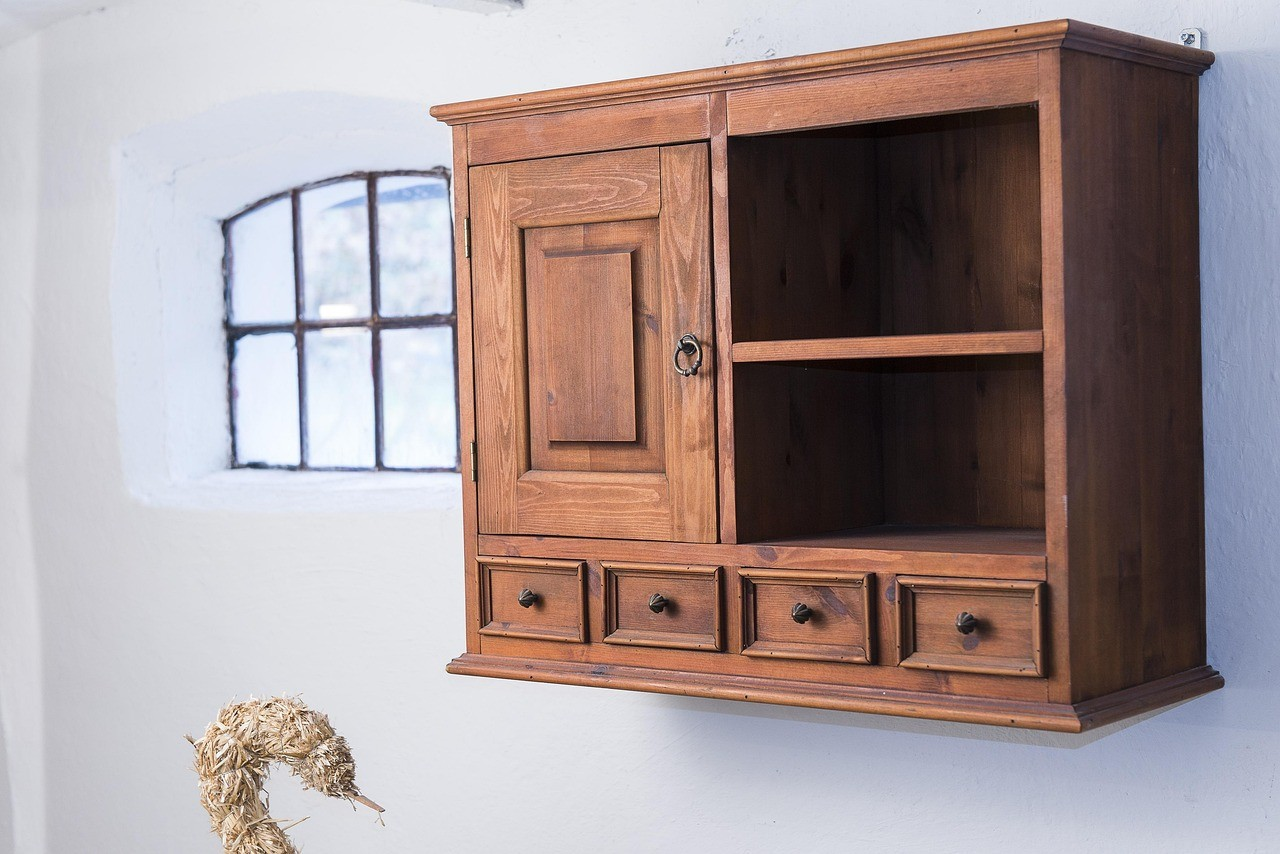
Wooden cabinets have long been a staple in kitchens, bathrooms, and living spaces, adding both style and function. They offer timeless appeal and have been used for centuries to create durable, elegant storage solutions. But as design trends evolve, one might wonder: are wooden cabinets still okay? Are they outdated, or do they remain a relevant choice in modern interiors? In this article, we’ll explore the current popularity of wooden cabinets, their pros and cons, and whether they are still a good option for your home today.

The Enduring Appeal of Wooden Cabinets

Wooden cabinets have a classic appeal that many homeowners continue to appreciate. The natural grain of wood, its warmth, and texture bring a sense of authenticity and elegance to any room. Whether in a rustic farmhouse kitchen or a sleek, contemporary bathroom, wood has a versatility that allows it to blend into various design aesthetics.

One of the main reasons why wooden cabinets remain popular is their durability. A well-made wooden cabinet, especially one constructed from high-quality hardwood like oak, cherry, or maple, can last for decades with proper care. Unlike other materials, wood does not easily warp or bend, and it can often be refinished or repainted to restore its appearance. This longevity makes wooden cabinets a worthwhile investment for many homeowners.

The Benefits of Wooden Cabinets

  1. Timeless Aesthetic: As mentioned, wood is timeless. It works well in both traditional and modern homes. The rich tones of wood can add warmth and depth to a space, creating a welcoming atmosphere. Even as trends change, wooden cabinets tend to remain relevant due to their inherent beauty.

  2. Customization: Wooden cabinets can be customized to suit your personal style and preferences. Whether you prefer a natural finish that highlights the wood’s grain or a painted finish to match your room’s color scheme, wood can be altered to fit your vision. Additionally, wood can be carved or detailed to enhance the cabinet’s design.

  3. Durability and Longevity: Wood is one of the most durable materials available for cabinetry. High-quality wooden cabinets can withstand daily wear and tear, including scratches and moisture exposure (with proper finishing). Wooden cabinets that are well-maintained can last for generations, making them a solid long-term investment.

  4. Sustainability: Wood is a renewable resource, especially when sourced responsibly. Many manufacturers now use sustainably harvested wood and environmentally friendly finishes to create cabinets that are both eco-conscious and high-performing. As a result, wooden cabinets can be an eco-friendly option, provided that the wood comes from a sustainable source.

Challenges of Wooden Cabinets

  1. Maintenance: While wooden cabinets are durable, they do require some maintenance to keep them looking their best. Over time, wood can be affected by humidity, temperature changes, and cleaning products. It may need to be refinished periodically to restore its shine, especially in kitchens or bathrooms where moisture levels are higher.

  2. Cost: High-quality wood can be expensive. Solid wood cabinets made from premium hardwoods are typically more costly than alternatives like particleboard or MDF. Additionally, the installation process for wooden cabinets might also add to the overall cost. If you’re on a tight budget, this can be a significant factor to consider.

  3. Potential for Damage: Despite their durability, wooden cabinets can still suffer from scratches, dents, or warping, especially if they’re not maintained properly. Wood can also be prone to water damage, particularly if it’s used in high-moisture areas like kitchens or bathrooms without proper sealing.

  4. Trends Shifting Toward Other Materials: While wood remains a popular choice, modern design trends have been leaning toward other materials. For instance, materials like stainless steel, glass, and engineered wood (such as MDF or plywood) are gaining ground in contemporary homes. These materials can offer a more modern, sleek look and may require less maintenance than traditional wood.

Are Wooden Cabinets Still Relevant in 2025?

Despite some of the challenges and the rise of alternative materials, wooden cabinets are still very much a relevant option in modern interiors. In fact, the popularity of natural and organic design elements has been on the rise, particularly as more people embrace biophilic design (the idea of incorporating nature into living spaces). The rich textures and warm hues of wood fit perfectly within this trend.

Additionally, many designers are opting for a mix of materials to create a balanced, contemporary look. For example, wooden cabinets may be paired with metal handles, stone countertops, or glass shelving for a modern twist on a classic design. This blend of materials allows for customization, keeping wooden cabinets fresh and adaptable.

Furthermore, the growing interest in sustainability means that homeowners are more likely to choose materials like wood that have a smaller carbon footprint, especially if sourced responsibly. When you choose wooden cabinets, you’re often investing in a product that can be refinished and reused, which helps reduce waste in the long run.

When Should You Choose Wooden Cabinets?

  1. If You Value Timelessness: If you prefer classic and timeless styles, wooden cabinets will never go out of fashion. They add a sense of warmth and authenticity to any space, making them an ideal choice if you want your home to maintain its appeal for years to come.

  2. If You Prioritize Durability: If you’re looking for cabinets that will last and improve with age, wood is a fantastic choice. High-quality wooden cabinets can stand the test of time, and with a little care, they can continue to look stunning for generations.

  3. If You’re Creating a Natural, Cozy Atmosphere: Wooden cabinets are an excellent option for spaces where you want to evoke a sense of warmth and comfort. Whether it’s a country kitchen or a mid-century modern living room, wood’s natural beauty and texture can create an inviting, cozy environment.

  4. If You’re Interested in Customization: Wood allows for extensive customization. If you have a specific design vision for your space or want something unique, wooden cabinets can be tailored to suit your needs, from color and finish to hardware and trim.

Conclusion

In 2025, wooden cabinets are still an excellent choice for many homes. While trends may come and go, the timeless beauty, durability, and versatility of wood ensure that it remains a popular material for cabinetry. However, it’s important to weigh the pros and cons, such as maintenance needs and cost, before making your decision. If you value longevity, customization, and a natural aesthetic, wooden cabinets remain a great option. With proper care, they can continue to serve as a functional and beautiful feature in your home for many years

Leave a Reply

Your email address will not be published. Your privacy is definitely protected by us.

Hāmira

Pondok tahfizh plus abudzar
bogor serpong

rumpin 123455
You have been successfully Subscribed! Ops! Something went wrong, please try again.

2025 Hāmira. All rights reverved

Posted on Leave a comment

Eco-Friendly and Aesthetic Furniture

Eco-Friendly and Aesthetic Furniture

In recent years, the way people choose furniture has shifted. It’s no longer just about how something looks or fits into a room. Today, more and more homeowners are looking for furniture that not only enhances their space visually but also aligns with their values. This is where eco-friendly and aesthetic furniture comes into play — a combination that is shaping the future of interior design.

Choosing sustainable furniture is not about sacrificing style. On the contrary, some of the most beautiful, modern, and functional pieces available today are also designed with the planet in mind. Materials, processes, and even packaging are being reimagined to minimize harm and create lasting impact.

Sustainable Materials Make a Difference

Eco-friendly furniture begins with the right materials. Instead of using plastics or unsustainably sourced wood, many brands now turn to certified sustainable timber, bamboo, reclaimed wood, and recycled metals. These options not only reduce deforestation and environmental damage but also bring a warm, natural touch to interiors.

For example, bamboo is fast-growing, strong, and stylish. Reclaimed wood carries its own story, with unique textures and weathered finishes that no factory-made material can match. Using these materials results in furniture that feels authentic, tactile, and full of character.

Low-Impact Manufacturing

A key part of sustainable furniture is how it’s made. Responsible manufacturing uses less water, avoids toxic chemicals, and reduces carbon emissions. Brands that care about this often work with local artisans, small-scale workshops, and eco-certified factories.

One example is Hamira, a growing brand that not only focuses on elegant design but also keeps its production environmentally conscious. Their pieces combine refined craftsmanship with natural materials — proving that sustainable can be stylish.

In addition to clean production, many companies use water-based finishes and non-toxic glues. These not only help the environment but also make your home healthier by reducing indoor air pollution.

Timeless Aesthetic with a Purpose

The most eco-friendly furniture is the kind you don’t replace often. That’s why many sustainable pieces focus on timeless design. Instead of trendy colors or disposable styles, they emphasize clean lines, neutral tones, and well-balanced proportions.

This makes it easier to blend them into different spaces and styles over time. A well-crafted wooden dining table, for instance, can look right at home in a minimalist apartment or a rustic house. Thoughtfully chosen furniture lasts longer, both physically and visually.

Multifunction and Minimal Waste

Sustainability also means using space wisely. Many eco-conscious designs prioritize multifunctionality — furniture that adapts to small homes or changing needs. Think foldable desks, stackable chairs, and modular sofas. These reduce the number of items you need and lower overall consumption.

Some designers even take it a step further by creating products with zero-waste principles. This means maximizing the use of every material and minimizing leftover scraps during production.

Packaging also matters. Many eco-friendly brands now use recycled cardboard, biodegradable wraps, and minimal plastic when delivering their products.

Why Aesthetic Still Matters

Let’s be honest — no matter how sustainable a piece is, if it doesn’t look good, most people won’t choose it. That’s why aesthetic is such a vital part of this movement. Fortunately, modern eco-friendly furniture is anything but boring. Smooth finishes, organic shapes, calming colors, and fine details make each item as much a design statement as an ethical choice.

Neutral tones, curved silhouettes, natural textures, and minimalist forms all contribute to a relaxed, modern atmosphere. These designs bring the outdoors in, helping create a home that feels both stylish and grounded.

Final Thoughts

Eco-friendly and aesthetic furniture is not a compromise. It’s a conscious choice — one that blends beauty with responsibility. As awareness grows, more designers and brands are proving that sustainability and style can go hand in hand.

Whether you’re furnishing a new home or updating an old space, consider choosing pieces that support your values. A beautiful chair made from reclaimed wood. A minimalist table crafted without harmful chemicals. A soft, neutral-toned couch built to last for years. All of these contribute not only to a better-looking home but to a better world as well.

Leave a Reply

Your email address will not be published. Your privacy is definitely protected by us.

Hāmira

Pondok tahfizh plus abudzar
bogor serpong

rumpin 123455
You have been successfully Subscribed! Ops! Something went wrong, please try again.

2025 Hāmira. All rights reverved

Posted on Leave a comment

Furniture Choices for a Modern Style

Furniture Choices for a Modern Style

Creating a modern home isn’t just about staying on trend. It’s about designing a space that feels clean, cohesive, and comfortable without sacrificing personality. Modern style has evolved far beyond its roots in minimalism and neutral palettes. Today, it’s more about intentional choices — furniture that balances function with aesthetics and gives every room a fresh, updated character.

So what defines “modern” when it comes to furniture in 2025? It’s about selecting pieces that speak to simplicity and elegance while still fitting your lifestyle. Let’s explore the essentials.

Clean Lines and Subtle Details

One of the most recognizable features of modern furniture is the use of clean, straight lines. Whether it’s a low-profile sofa, a streamlined coffee table, or a bed with a sleek frame, these shapes give a room structure without feeling heavy.

That said, modern style doesn’t have to be cold or sterile. Details like tapered legs, recessed handles, and soft finishes add refinement without clutter. Materials such as matte wood, soft fabric, and brushed metal often work together to create subtle contrasts that elevate a space.

Neutral Colors with Purpose

Neutral doesn’t mean boring. In modern interiors, neutrals are a powerful tool to bring balance and harmony. Shades like warm beige, cool gray, soft taupe, and off-white serve as the perfect foundation. They create a clean backdrop that allows textures and shapes to shine.

Adding depth through layers — for example, a gray wool sofa paired with a light oak coffee table and a cream area rug — creates visual interest without overwhelming the room. You can also introduce a pop of color with one or two accent pieces, like a bold chair or vibrant artwork, to keep the space from feeling too monotone.

Function Is Just as Important as Form

Modern style prioritizes function. Every piece should serve a purpose, especially in smaller homes where space is limited. Storage benches, nesting tables, and sofas with hidden compartments all align with this principle.

This is why brands like Hamira are gaining attention — they offer pieces that are not only beautiful but also practical. A minimalist desk with built-in cable management or a bookshelf that doubles as a room divider are examples of furniture that supports everyday life without adding clutter.

Curves Bring Comfort and Softness

Straight lines are essential to modern design, but curves are having a big moment too. Rounded corners, soft edges, and oval shapes are now commonly found in everything from armchairs to lighting fixtures.

These elements add comfort and warmth, making spaces feel more inviting. A curved sofa in a soft velvet finish or a round dining table can break up the rigidity of rectangular layouts and bring natural flow to a room.

Mixed Materials for a Fresh Look

Modern design is no longer tied to just one aesthetic. Instead, it embraces contrast. Mixing different materials — like pairing a metal frame with a wooden seat or a marble top with black steel legs — helps achieve a layered, contemporary feel.

This blending of textures and finishes keeps a space dynamic. Glass and stone add luxury. Woven textiles and natural woods bring softness and warmth. The goal is balance, creating a space that feels polished but never forced.

Invest in Statement Pieces

In modern interiors, less is often more — which means each piece has to count. A well-chosen statement item can define an entire room. It could be a sculptural lounge chair, a floating media console, or even a uniquely shaped pendant light.

Choose one or two standout items that reflect your taste and complement the rest of the décor. The key is not to overdo it. Let the statement piece speak for itself by giving it room to breathe.

Final Thoughts

Modern furniture is about creating a space that feels thoughtful and intentional. It’s not about filling a room with the latest trends but about curating pieces that offer simplicity, function, and beauty. Whether you’re furnishing a new home or updating a single room, focusing on clean lines, neutral colors, practical designs, and a few bold accents can help you achieve a timeless modern look.

With the right furniture choices, your space can feel current without losing its comfort. And when form meets function, every room becomes a place where you actually want to spend time.

Leave a Reply

Your email address will not be published. Your privacy is definitely protected by us.

Hāmira

Pondok tahfizh plus abudzar
bogor serpong

rumpin 123455
You have been successfully Subscribed! Ops! Something went wrong, please try again.

2025 Hāmira. All rights reverved